

AI-Assisted Sewer Assessment
Combining Innnovation with Engineering Expertise
By: Crystal Faucett and Copilot; Contributions by Steven Siroky, PMP, Shawn Fewell, and Clint Bienvenue
The U.S. maintains more than 1.87 million miles of sewer pipe,¹ and our systems continue to expand. As this critical infrastructure ages, the need for timely, accurate sewer assessment is growing—even as staffing levels and rehabilitation budgets remain constrained. Agencies need a way to do more with less, without sacrificing the data quality that capital planning depends on.
Sewer assessments typically involve using remote-controlled closed-circuit television (CCTV) camera systems to record interior pipe conditions. Certified operators then view the footage and document defects using the National Association of Sanitary Sewer Service Companies (NASSCO)’s system of standardized defects and grades, allowing agencies to understand conditions at a glance and prioritize repairs accordingly. As in other
industries, AI tools present powerful opportunities for efficiency in sewer assessment. NASSCO itself recognizes AI’s potential for operator training, improved workflows, legacy video coding, cross-bore identification, and automated quality control.²
Challenges in Traditional Sewer Assessment
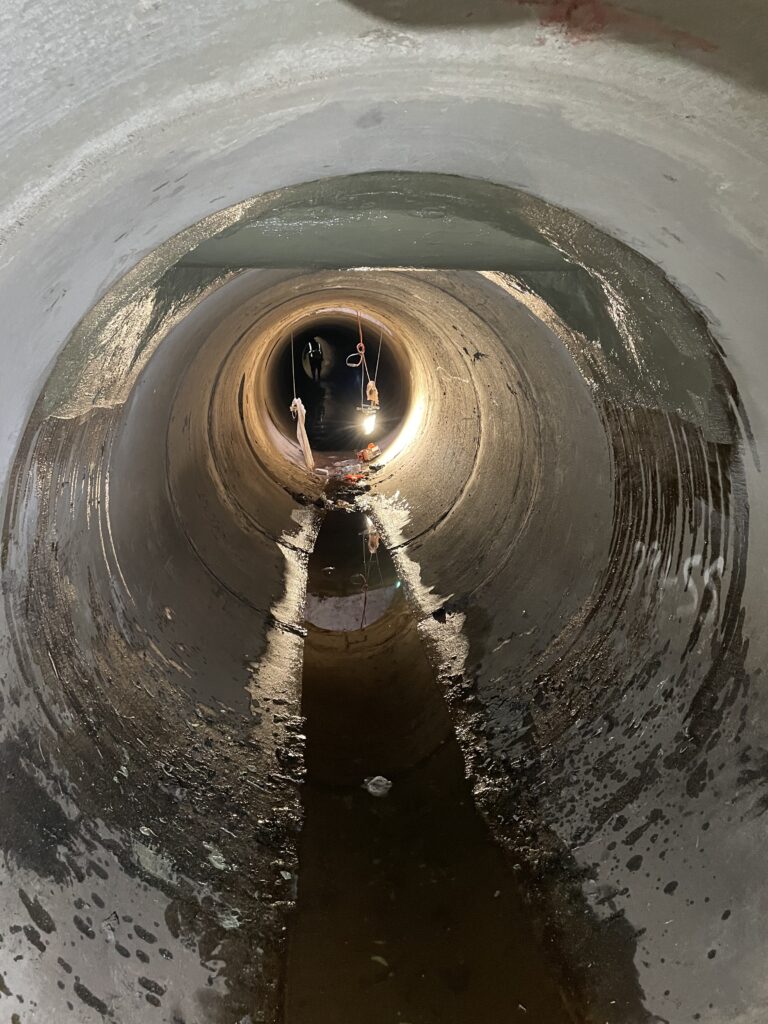
As cities’ infrastructure ages, the need to identify and prioritize sewer rehabilitation continues to grow. One challenge that agencies have increasingly run into is that traditional sewer assessment—built around
manual CCTV review and onsite data entry are limited to on-site management and site restrictions. These
workflows involve significant downtime, inconsistent review quality, and large CCTV video files that make
data management cumbersome and, at times, unreliable. Combined with growing rehabilitation needs, a limited pool of qualified reviewers, and tightening budgets, agencies are increasingly looking for a more efficient and cost-effective way to assess their systems and plan capital improvements.
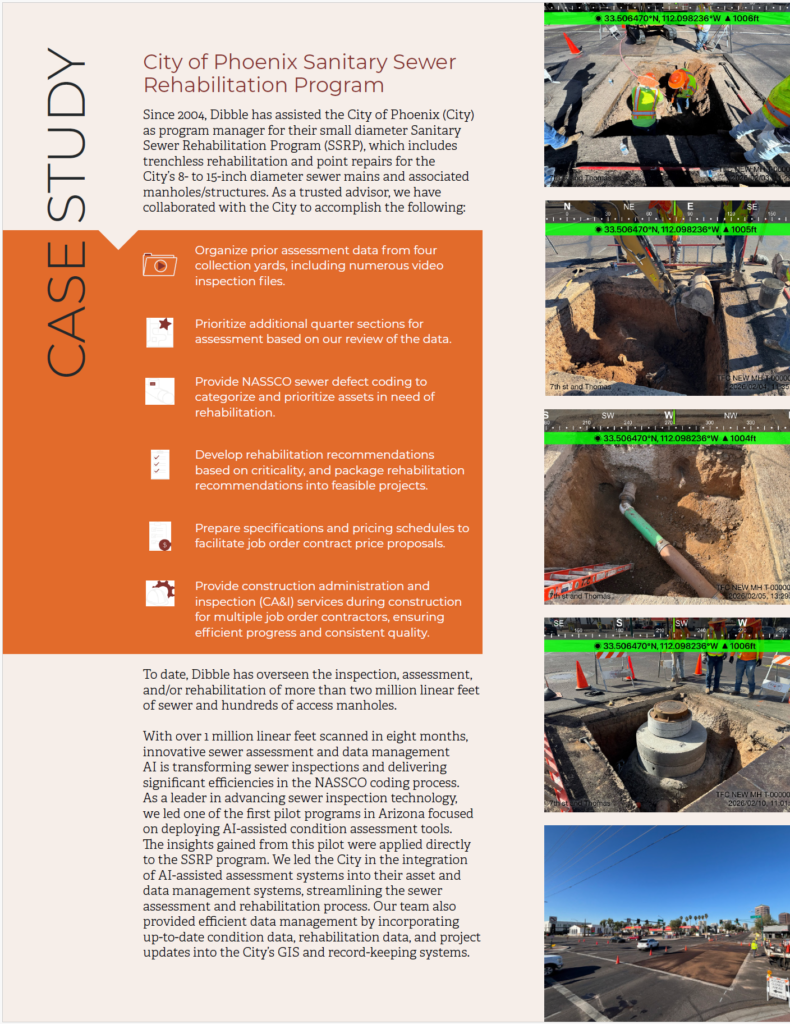
This shift is already underway in practice. The City of Phoenix, for example, historically based much of its
sewer rehabilitation prioritization on pipe age. With the advent of AI-assisted assessment, agencies like
Phoenix can move toward a more targeted find and fix approach—one where age remains a factor, but is
weighed alongside the specific defects identified through routine CCTV inspection. Because AI tools can process footage so quickly, agencies can afford to assess all of their pipe before deciding where to invest, rather than relying on broad assumptions about which segments are likely to need attention. As budgets tighten, that precision matters: AI helps agencies focus rehabilitation dollars on the specific segments that need it most.
Evaluating AI-Assisted Sewer Assessment Tools
Many AI-assisted sewer assessment platforms have entered the market and are progressing rapidly. These tools can essentially watch CCTV footage and code defects automatically, after which a human operator must review and verify the output to comply with NASSCO standards.
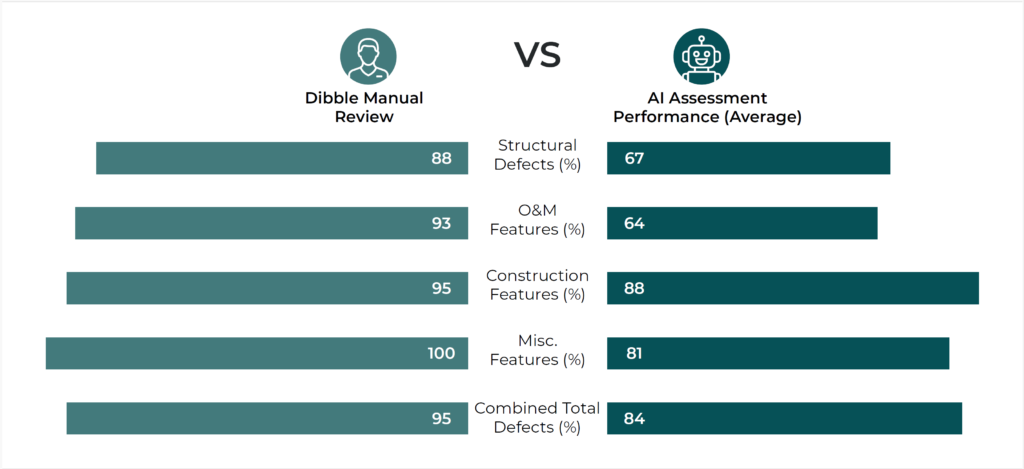
Dibble stays current with these evolving technologies. In a recent evaluation for the City of Phoenix—one of the first AI-assisted condition assessment pilots conducted in Arizona—Dibble analyzed the output from five vendors that offer AI-assisted sewer assessment tools. We compiled CCTV footage from a random set of 30 unique sewer pipe segments (about 1.7 miles), including segments of different materials, different diameters, different inspection dates, and varying video quality. While the vendors ran this sample through their AI tools, Dibble’s NASSCO-certified operators viewed the CCTV footage and documented defects manually. Each entity (including Dibble) was then scored based on defects accurately identified and overall quality. We continue to evaluate new vendors as part of this program.
Defects Accurately Identified
AI’s Promising Future in Sewer Assessment
The speed of AI-assisted assessment tools clearly provides an advantage. AI can analyze thousands of pictures—frame by frame—of CCTV footage in a fraction of the time it takes for a human to do so. Accuracy varies, however. While AI caught some defects that our operators did not identify, human work was more accurate overall, as illustrated in the graph below. As AI tools learn from human corrections, this accuracy is expected to improve—enhancing AI’s role in early defect detection and infrastructure preservation.
Beyond accuracy, Dibble found the following usability features to be especially helpful:
GIS Integration: Enables seamless data sharing and prioritization of repairs.
Web-Based Platform: Supports remote access and collaboration.
End-User Defect Editing: Facilitates quick corrections without the need for vendor intervention.
NASSCO Standard Deliverables: Streamlines communication and asset management when deliverables include NASSCO standard Microsoft Access databases and PDF reports.
While each AI tool provided value, the City of Phoenix ultimately chose to move forward with SewerAI’s Pioneer platform. Not only does it include these helpful usability features, but it consistently outperformed its competitors in identifying defects.
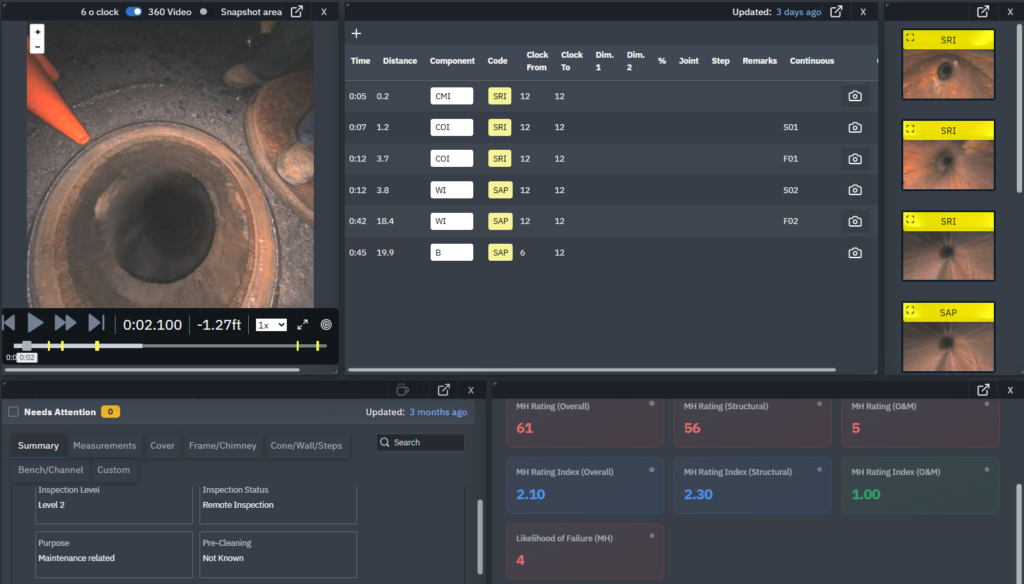
Automatic sewer defect detection in action
(Credit: SewerAI)
Maximum Value: Combining AI Efficiency with Human Expertise
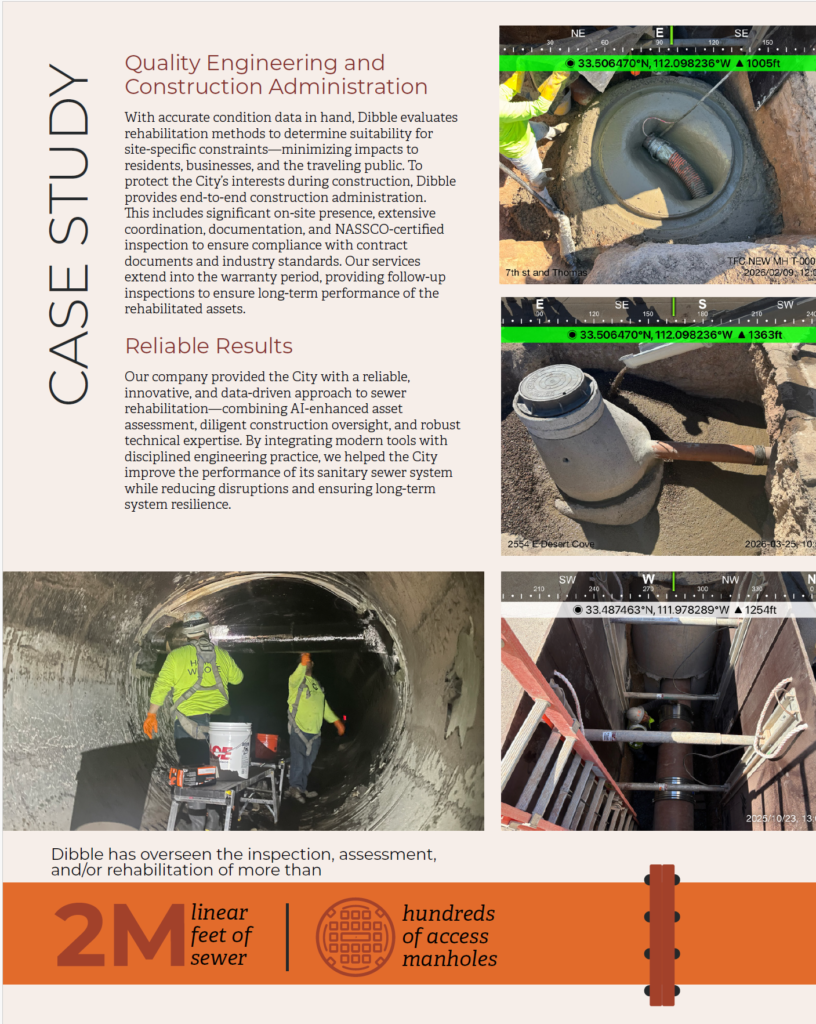
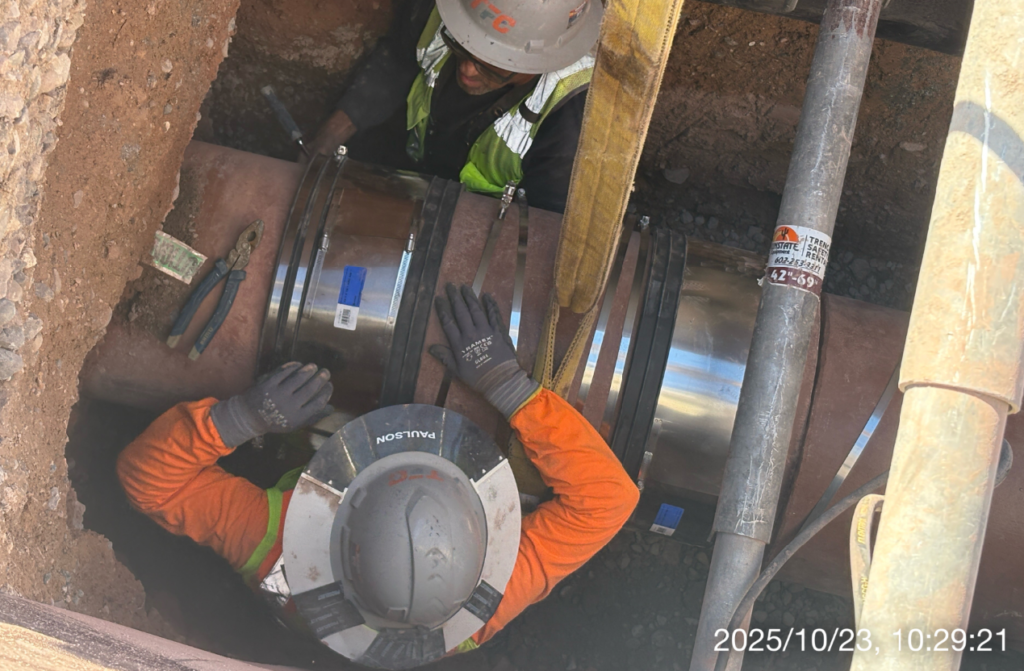
Dibble serves as sewer assessment program manager for agencies across the Valley, including Phoenix, Tempe, and Chandler. Leveraging our expertise in infrastructure renewal and AI-assisted assessment, our team processes more than 50 miles of CCTV footage a month using SewerAI’s Pioneer platform, and this number is quickly growing. Cost-effective AI tools have provided a significant increase in productivity and accuracy; during human review, our experienced operators are able to quickly zero in on problem areas to efficiently guide recommendations.
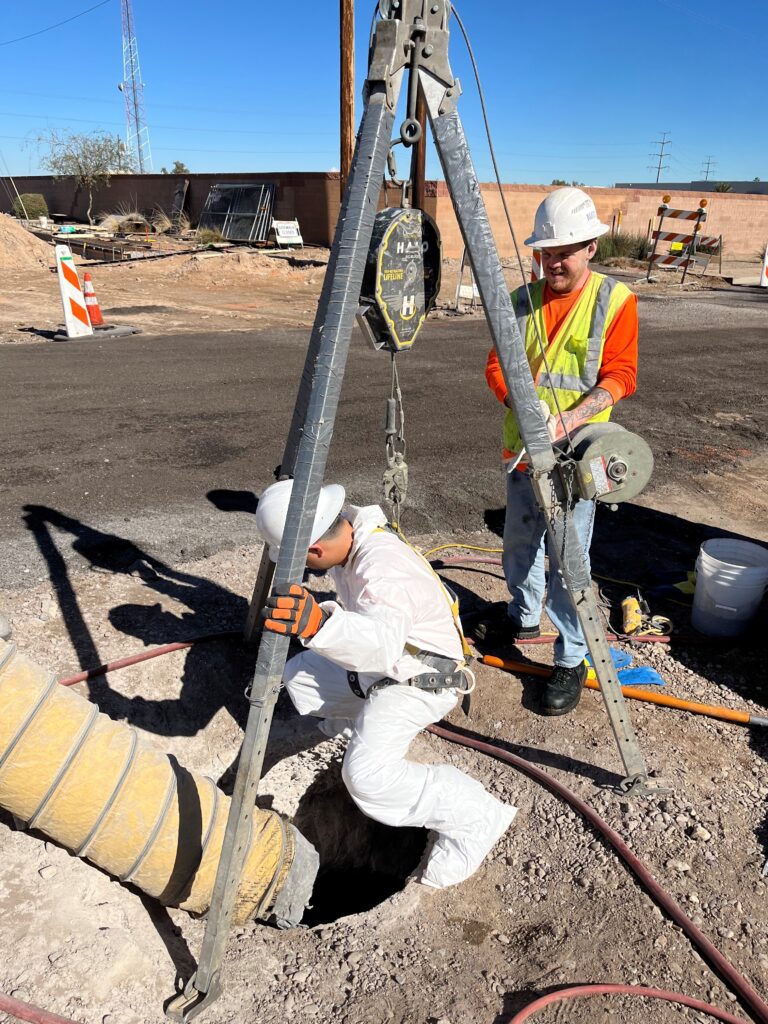
Industry-specific applications for AI technology continue to advance. For example, at the time of the evaluation described above, identifying manhole defects was generally outside the capability of the AI, but this is quickly changing; SewerAI now offers photogrammetry-based tools that enable NASSCO-compliant manhole assessments using data collected by affordable 360-degree cameras.
Dibble continues to test and review numerous technologies for multiple clients. We’ve also developed technologies of our own, including a GIS mobile application, as shown on the right, for streamlined data collection in the field.
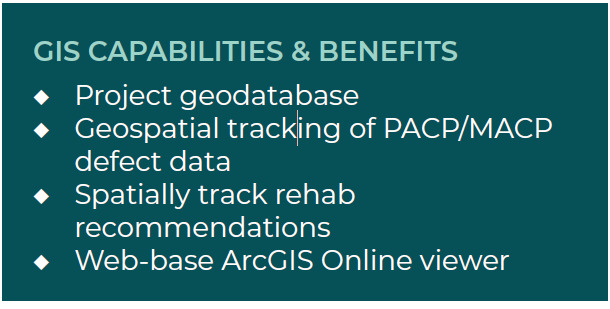
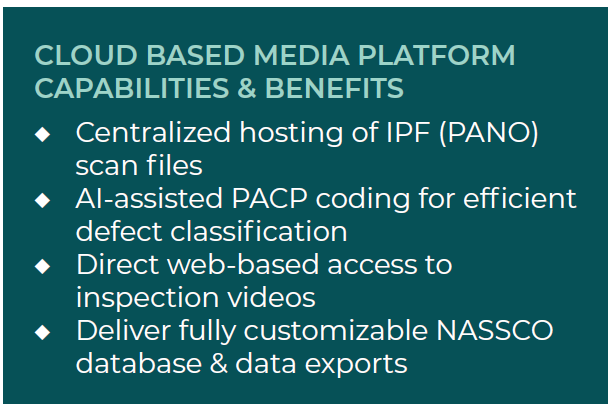
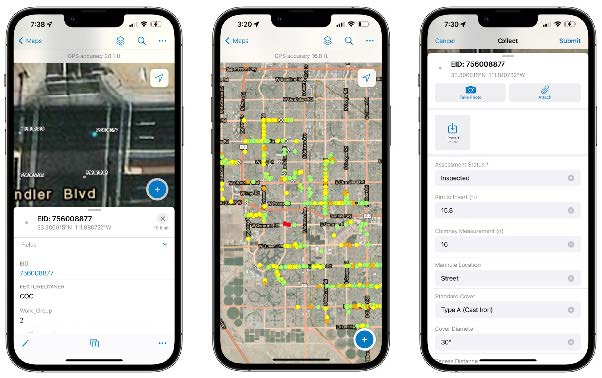
The application leverages both GIS technologies and a cloud-based media platform to streamline data management, improve QA/QC workflows, and provide a modern, client-accessible platform for monitoring project progress.
By embracing innovation while upholding rigorous standards, Dibble is helping communities safeguard their infrastructure for generations to come.
References
- ASCE, “A Comprehensive Assessment of America’s Infrastructure: 2025 Report Card,” 2025.
Full-Report-2025-Natl-IRC-WEB.pdf - NASSCO, “Artificial Intelligence for Sewer Systems from a PACP perspective,” 2023. NASSCO_PACP_AI_
PositionPaper-002-1.pdf
Drafting assistance provided by Microsoft Copilot.
📄 Download the full case study PDF here


